Mulch calculator: cubic yards, bags and cost
Enter the size of the bed or driveway and the depth you want, and get the volume in cubic yards, the number of bags, the weight in tons and an estimated bill — for mulch, gravel or topsoil.
Mulch, gravel & topsoil
Live estimateMulch 2–4 in, gravel 3–4 in, topsoil 1–2 in.
You need
…
Bulk estimate includes delivery and rounded order quantity. Bagged material includes waste and is rounded up to whole bags. Actual supplier minimums and delivery vary.
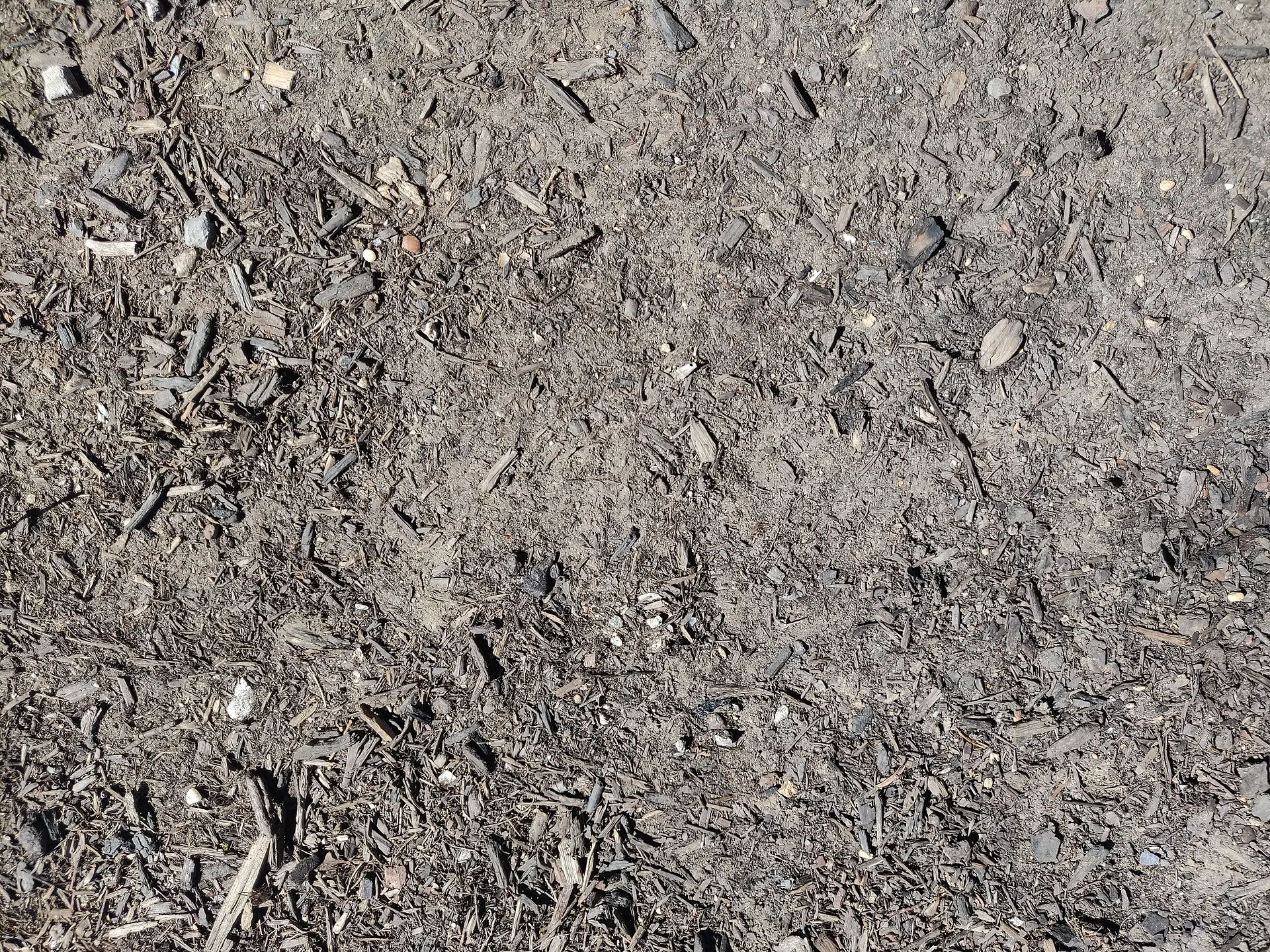
Landscaping material is the opposite of concrete: it is cheap, light and easy to over-order without noticing. A pile of three extra cubic yards of mulch is $100 and a weekend of wheelbarrow work you did not plan. A pile that is one yard short means a second delivery fee, which on a small order costs more than the material. The calculator exists to get the volume right the first time, and to show whether the same job is cheaper in bags.
How this calculator works
- Area = length × width in feet. For an irregular bed, split it into rectangles and add them up.
- Volume = area × depth, with depth converted from inches to feet. Three inches is 0.25 ft.
- Waste is added next: 5% for straight edges on flat ground, 10% for typical beds and borders, 15% for curves and slopes.
- Cubic yards = cubic feet ÷ 27. Bulk material is ordered in cubic yards, and this is the number on the delivery ticket.
- Bags = cubic yards × (27 ÷ bag size), rounded up. A 2 cu ft bag gives 13.5 bags per yard; a 0.5 cu ft bag gives 54.
- Tons = cubic yards × the material's density. Mulch is about 0.4 tons per yard, gravel 1.4, topsoil 1.1.
Bulk material is sold by volume, so the tonnage is only useful for two things: checking a quarry's ticket and knowing what your truck or trailer can legally carry. A half-ton pickup should not take more than about 0.5 cubic yards of gravel.
Coverage per cubic yard
| Depth | Square feet covered | Typical use |
|---|---|---|
| 1 in | 324 sq ft | Refreshing an existing mulch layer |
| 2 in | 162 sq ft | Light top-up around shrubs |
| 3 in | 108 sq ft | Standard garden bed depth |
| 4 in | 81 sq ft | New beds, strong weed suppression |
| 6 in | 54 sq ft | Play areas, paths, fill |
Bags per cubic yard
| Bag size | Bags per cubic yard | Typical price |
|---|---|---|
| 2 cu ft | 13.5 | $3–$6 |
| 1.5 cu ft | 18 | $3–$5 |
| 1 cu ft | 27 | $2–$4 |
| 0.75 cu ft (40 lb) | 36 | $2–$3.50 |
| 0.5 cu ft (50 lb) | 54 | $2.50–$5 |
Bag prices vary more than bulk prices because you are paying for packaging, palletising and the shelf space. The same cubic yard of mulch costs $30–$45 in bulk and $40–$80 in 2 cu ft bags. See how much mulch costs for the full breakdown.
Measuring a bed that is not a rectangle
- Curved borders. Measure the longest length and the widest width, then subtract about 15% for the curves. It is closer than measuring the arc with a tape.
- Beds around trees. Measure from the trunk to the drip line and treat it as a circle: area = 3.14 × radius². Keep mulch 2–3 inches away from the trunk itself.
- Foundation beds. Length along the house × width out from the wall. Do not include the lawn strip you are not covering.
- Paths and driveways. Measure the compacted surface, not the excavated area. Gravel spreads, so add 10% for the edges.
Depth by material
| Material | Depth | Notes |
|---|---|---|
| Mulch, existing bed | 1–2 in | Top-up only; do not build up year after year |
| Mulch, new bed | 3 in | Enough to suppress weeds without smothering roots |
| Mulch, maximum | 4 in | Deeper than this starves roots of oxygen |
| Gravel, footpath | 2–3 in | Over landscape fabric or a compacted base |
| Gravel, driveway surface | 4 in | Plus 4 in of compacted base beneath |
| Topsoil, new lawn | 4–6 in | Deeper on poor subsoil |
| Topsoil, raised bed | 8–12 in | Vegetables want the deeper end |
If you are unsure about mulch specifically, how deep mulch should be covers the reasons in detail. For gravel, the depth on the calculator is the surface layer only — a driveway needs a base course as well, which is why the gravel cost guide quotes driveways higher per square foot than paths.
Five mistakes that waste material
- Ordering by square footage alone. Depth is half the calculation. A bed at 2 inches uses a third less mulch than the same bed at 3.
- Forgetting the existing layer. If there is already 2 inches of mulch, a 1 inch top-up is enough. Measure the current depth before you add more.
- Buying bags for a big job. Above about half a cubic yard, bulk is cheaper even with a delivery fee — and far less lifting.
- Ignoring access. A bulk pile is dumped where the truck can reach. If that is 100 ft from the bed, you are moving it by wheelbarrow, one cubic yard at a time.
- Piling mulch against trunks and siding. Mulch volcanoes kill trees and hold moisture against the house. Pull it back 2–3 inches.
Frequently asked questions
How many bags of mulch are in a cubic yard?
Thirteen and a half 2 cu ft bags make a cubic yard. In practice that means 14 bags, because you cannot buy half a bag. If you are using 1 cu ft bags it takes 27, and with 1.5 cu ft bags it takes 18.
How much does a cubic yard of mulch cover?
A cubic yard covers 324 sq ft at 1 inch deep, 162 sq ft at 2 inches, 108 sq ft at 3 inches and 81 sq ft at 4 inches. Most garden beds are spread 2–3 inches, so plan on roughly 110–160 sq ft per yard.
How many cubic yards of mulch for a 12x24 bed?
At 3 inches deep, a 12x24 ft bed is 288 sq ft × 0.25 ft = 72 cubic feet, or 2.67 cubic yards. Add 10% for settling and uneven edges: the calculator estimates 2.93 cubic yards and rounds bagged material up to 40 bags of 2 cu ft (41 bags if you order a full 3 cubic yards).
How much does 2 cubic feet of mulch weigh?
A 2 cu ft bag of dry bark mulch weighs about 20–30 lb. Wet mulch, or a dense material like composted bark, can reach 40–50 lb. That is why a pallet of 65 bags is a delivery, not a car trip.
How much gravel do I need for a 12x24 driveway?
A 12x24 ft driveway at 4 inches of surface gravel needs 96 cubic feet, or 3.56 cubic yards — about 5 tons. A proper driveway also has a 4 inch compacted base underneath, so the total is closer to 7 cubic yards and 10 tons.